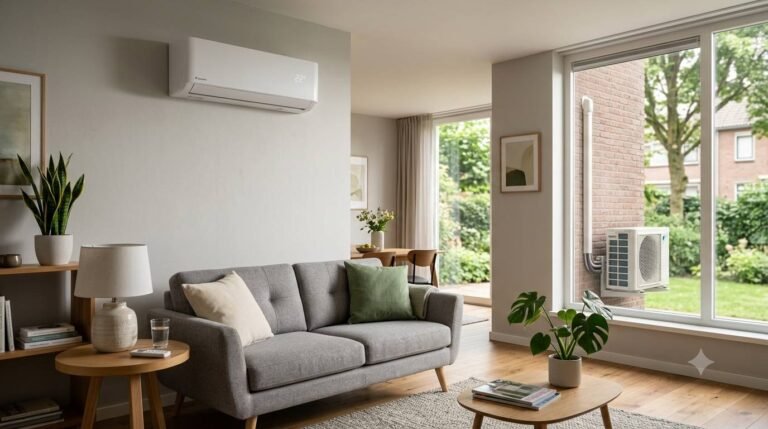

Energy bills are climbing faster than many homeowners expected in 2026, and cooling costs are a major reason why. With longer summers, rising electricity rates, and increased reliance on air conditioning, households are feeling the pressure. Keeping your home comfortable no longer has to mean accepting higher monthly expenses. With the right strategies, you can stay cool while keeping your energy bills under control.
Many homeowners are already noticing that air conditioning costs more in 2026, driven by higher demand and fluctuating energy prices. This shift makes it essential to rethink how your cooling system operates and how efficiently your home retains conditioned air. Small changes can deliver meaningful savings when applied consistently.
Why Cooling Costs Are Rising
Increased Energy Demand
Warmer temperatures and extended heatwaves have increased the reliance on air conditioning systems across the country. As more households use cooling systems simultaneously, energy demand rises, often leading to higher utility rates.
Aging HVAC Systems
Many homes still rely on older HVAC systems that consume more electricity than modern, energy-efficient models. These systems work harder to maintain desired temperatures, driving up energy consumption and costs.
Poor Home Efficiency
Air leaks, inadequate insulation, and outdated windows allow cool air to escape. This forces your air conditioner to run longer cycles, increasing wear and energy usage.
Smart Ways to Reduce Cooling Expenses
Optimize Your Thermostat Settings
Setting your thermostat strategically can significantly reduce energy use. Raising the temperature by just a few degrees when you are away or asleep can cut cooling costs without sacrificing comfort. Smart thermostats make this process easier by automatically adjusting based on your schedule.
Upgrade to Energy-Efficient Systems
Modern air conditioning units are designed with higher efficiency ratings, often using less energy while delivering better performance. If your system is more than 10–15 years old, upgrading to a newer model can provide long-term savings.
Seal and Insulate Your Home
Proper insulation and sealing gaps around windows, doors, and ducts prevent cool air from escaping. This reduces the workload on your HVAC system and improves overall energy efficiency.
Maintain Your HVAC System
Routine maintenance ensures your system operates at peak efficiency. Dirty filters, clogged coils, and neglected components can reduce airflow and increase energy consumption. Regular servicing keeps your system running smoothly and extends its lifespan.
Everyday Habits That Make a Difference
Small daily adjustments can have a noticeable impact on your energy bill. These habits not only improve efficiency but also contribute to a more comfortable living environment.
- Use ceiling fans to circulate cool air and reduce reliance on the AC
- Close blinds and curtains during peak sunlight hours
- Avoid using heat-generating appliances during the hottest parts of the day
- Set your thermostat a few degrees higher when possible
- Keep vents unobstructed to maintain proper airflow
Understanding Long-Term Cost Trends
The reality is that air conditioning costs more in 2026 not just because of usage, but also due to broader changes in energy markets. Electricity prices are influenced by fuel costs, infrastructure upgrades, and environmental policies. As utilities transition toward cleaner energy sources, short-term costs may fluctuate before stabilizing.
Homeowners who proactively improve energy efficiency are better positioned to manage these changes. Investing in insulation, efficient equipment, and smart controls provides both immediate and long-term financial benefits.
Leveraging Technology for Better Efficiency
Smart Home Integration
Smart home systems allow you to monitor and control energy usage in real time. From automated thermostats to energy tracking apps, these tools provide valuable insights into how your home consumes electricity.
Zoned Cooling Systems
Zoning allows you to cool specific areas of your home instead of the entire space. This targeted approach reduces unnecessary energy use and enhances comfort in frequently used rooms.
Energy Audits
Professional energy audits identify inefficiencies in your home and recommend improvements. These assessments often uncover hidden issues such as duct leaks or poor insulation that can significantly impact cooling costs.
The Role of Preventive Maintenance
Preventive maintenance is one of the most cost-effective ways to manage rising energy bills. Regular inspections ensure that your system operates efficiently and avoids unexpected breakdowns during peak summer months. Simple tasks like replacing air filters and cleaning vents can improve airflow and reduce strain on your system.
Consistent maintenance also supports better indoor air quality, which contributes to a healthier and more comfortable living environment. When your system runs efficiently, it uses less energy while delivering consistent cooling performance.
Conclusion
Rising energy bills in 2026 are a challenge, but they are not unavoidable. By understanding what drives higher cooling costs and taking proactive steps to improve efficiency, you can maintain comfort without overspending. From upgrading your HVAC system to adopting smarter daily habits, every improvement contributes to lower energy use.
Start with small, practical changes and build toward long-term solutions like energy-efficient upgrades and smart home integration. The goal is not just to reduce costs today, but to create a home that remains efficient, comfortable, and resilient in the years ahead.