
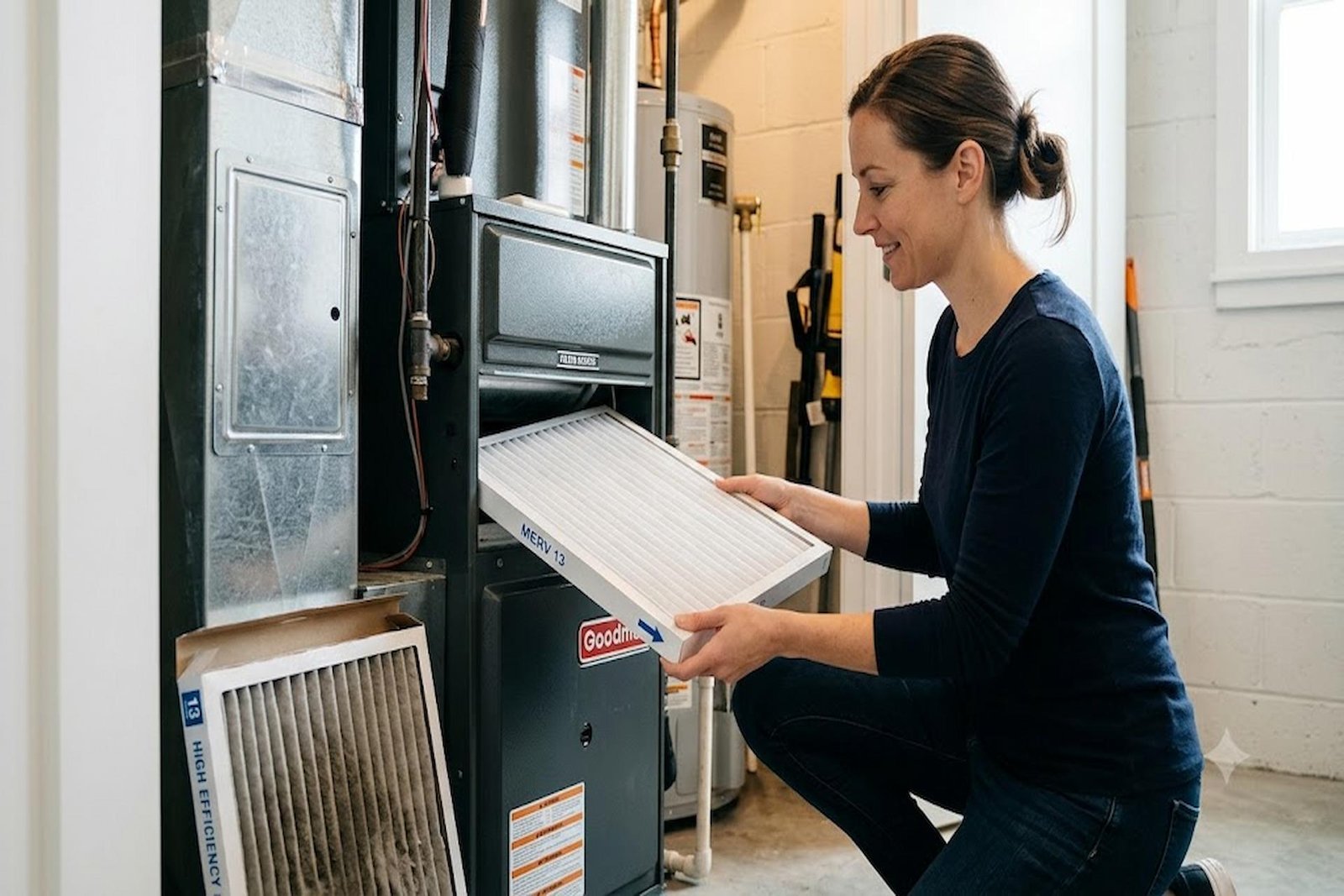

Montana winters keep homes sealed tight while summers bring wildfire smoke that affects everyone indoors. Upgrading your HVAC filters addresses these challenges directly, capturing particles that standard options miss and supporting better health year-round. Readers will discover how strategic changes improve air circulation, protect equipment, and create noticeable differences in daily comfort.
Families in the capital city often seek reliable ways to manage dust, pollen, and smoke infiltration. Professional indoor air quality solutions Helena, MT focus on practical filter improvements that fit existing systems without major overhauls. These steps deliver cleaner results through better particle capture and reduced recirculation of contaminants.
Why Filter Performance Matters in Local Conditions
Helena’s dry air and temperature extremes cause more dust and allergens to circulate inside homes. Basic fiberglass filters catch larger debris but allow finer particles to pass through and settle on surfaces or enter lungs. Higher-efficiency choices trap these threats while maintaining adequate airflow for your heating and cooling equipment.
Understanding Filter Ratings and Capabilities
MERV ratings indicate how effectively filters stop particles of different sizes. Ratings from eight to thirteen often provide strong protection for most households without overworking the blower motor. Higher numbers work well for smoke events but require system compatibility checks to avoid strain or reduced efficiency.
Many homeowners notice fewer allergy symptoms and less household dust after switching to better filters. In indoor air quality solutions Helena, MT, technicians evaluate current setups and recommend options that balance performance with your specific HVAC model and usage patterns.
Selecting the Right Filter Type
Pleated filters increase surface area for superior capture while lasting longer than basic models. Electrostatic versions use charge to attract particles and can be cleaned for reuse in some cases. Deep media filters installed in compatible cabinets offer extended intervals between changes, which simplifies routine care.
Addressing Wildfire Smoke Challenges
Smoke particles travel deep into homes through small gaps and ventilation. Filters rated to handle sub-micron sizes reduce their spread when outdoor air quality drops. Combining upgrades with sealed windows during events creates safer indoor environments, especially for children and older residents sensitive to irritation.
Practical Insights From Helena Homes
One family dealing with recurring summer smoke installed higher-rated filters and added a bypass for regular seasons. They reported clearer air and lower dusting frequency while their system ran more efficiently. Such adjustments show how targeted upgrades solve real local problems without unnecessary expense.
System Compatibility Considerations
Not every HVAC unit handles high-resistance filters equally. Older furnaces may need adjustments or larger filter housings to prevent airflow restrictions that raise energy use or cause uneven temperatures. Professional assessment identifies safe limits and prevents issues that shorten equipment life.
- Check your current filter size and housing dimensions before purchasing replacements
- Monitor static pressure or airflow after installation to confirm proper operation
- Schedule changes every one to three months depending on household factors
- Combine filters with regular duct cleaning for maximum benefit
- Consider UV lights or additional purification stages for comprehensive control
- Track energy bills to measure efficiency gains from cleaner operation
Maintenance Habits That Extend Benefits
Consistent replacement prevents buildup that forces systems to work harder. Marking dates on calendars or setting digital reminders helps maintain the schedule. During high pollen or smoke periods, more frequent checks keep performance steady and protect coils from excessive debris.
Comparing Costs and Long-Term Value
Initial investment in quality filters pays back through lower utility bills and fewer repairs. Homes with pets or multiple occupants see faster accumulation, making durable options particularly worthwhile. The reduced need for surface cleaning adds another layer of practical savings over time.
Integrating Upgrades With Overall Home Care
Sealing ducts and improving ventilation complements filter performance. These steps minimize outside pollutants entering the system while maximizing the air that does circulate. Homeowners who combine approaches report the most consistent results across seasons.
Making Informed Upgrade Decisions
Evaluate your household’s needs, local air challenges, and system capabilities together. Start with moderate improvements if unsure, then adjust based on observed differences in comfort and air clarity. Expert guidance ensures choices fit your situation precisely.
Actionable Air Improvement Steps
Implement filter upgrades as part of your home comfort strategy to enjoy fresher air and more reliable HVAC operation. Assess your current setup, select appropriate ratings, and maintain them diligently. These changes create healthier living spaces that support wellness through Montana’s distinct seasons.