

Introduction
Cancer care has changed faster in the last few years than many people expected. In 2026, the focus is not only on survival but also on quality of life and long term recovery. Doctors and scientists are making progress through continuous Cancer treatment research, which is helping them understand tumors at a deeper level. This progress means treatments are becoming more precise, more personalized, and in many cases less harmful to healthy cells.
People are also more aware and informed about their options. Many readers now follow health updates and survivor stories through trusted sources like a digital women magazine, which helps break down complex medical information into easy and practical advice. Because of better awareness and medical innovation, patients today can ask stronger questions and make more confident decisions about their care.
What’s New in Cancer Treatment in 2026
One of the biggest changes in 2026 is precision medicine. This approach studies the genetic makeup of a tumor. Instead of giving the same chemotherapy to every patient, doctors now design treatment based on the exact mutation causing the cancer. This makes therapy more effective and reduces unnecessary side effects.
Immunotherapy is also growing rapidly. It helps the body’s immune system recognize and attack cancer cells. For some cancers such as lung cancer and melanoma, immunotherapy has shown long lasting positive results. Researchers are now combining immunotherapy with targeted drugs to improve outcomes even further.
Artificial intelligence is playing an important role in early detection. AI supported scans can identify small abnormalities that may not be visible to the human eye. Early diagnosis improves survival rates significantly. Liquid biopsy is another important development. Through a simple blood test, doctors can detect cancer related DNA in the bloodstream. This method is less invasive and allows doctors to monitor progress during treatment.
What’s Better Than Before
Cancer treatments in the past often caused extreme fatigue, nausea, and long recovery periods. In 2026, supportive care has improved greatly. Patients receive personalized plans that include nutrition advice, mental health support, and physical therapy when needed.
Targeted therapy is another major improvement. These medications attack specific proteins that help cancer grow. By focusing only on cancer cells, damage to healthy cells is reduced. This often means fewer complications and better recovery.
Radiation therapy has also become more accurate. New technology delivers radiation directly to the tumor while protecting nearby tissues. This is especially helpful for cancers located near sensitive organs.
Side effect management has improved as well. Doctors now closely monitor how patients respond and adjust treatments quickly if needed. The goal is not only to treat cancer but to protect overall wellbeing during the process.
What’s Next in Cancer Care
The future of cancer treatment looks promising. Scientists are working on cancer vaccines designed to prevent recurrence. Early clinical trials show encouraging results in certain types of cancer.
Gene based therapies are also under study. Researchers are exploring ways to edit or modify specific genes to stop cancer growth. Although still in development, these innovations could change the future of oncology.
Personalized cancer vaccines are another exciting area. These treatments are created based on a patient’s unique tumor profile. Instead of a general drug, the therapy is custom made for one individual. This level of personalization could improve long term outcomes.
The Power of Early Detection
Early detection remains one of the strongest tools in cancer care. Regular screenings such as mammograms, colon cancer tests, and cervical screening can detect cancer in early stages when it is easier to treat.
Technology in 2026 has made screening more accurate and less uncomfortable. Blood based screening tests are improving and may soon detect multiple cancers at once.
If you are over 40 or have a family history of cancer, regular checkups are essential. Do not ignore symptoms like unusual pain, unexplained weight loss, or long lasting fatigue. Early action can save lives.
Personalized Care and Patient Involvement
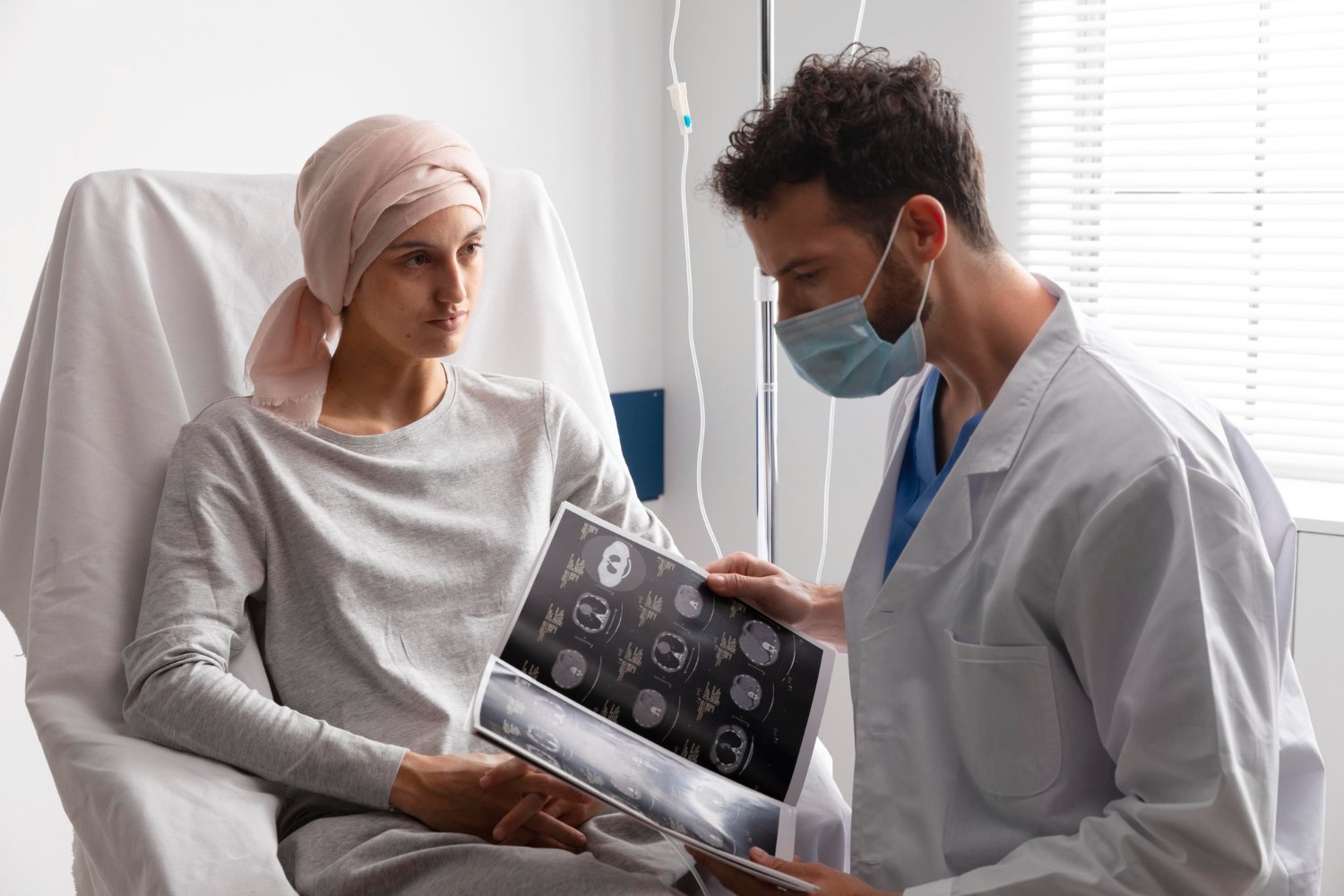
Today, patients are more involved in their treatment decisions. Doctors explain options clearly and discuss risks and benefits openly. This shared decision making approach builds trust.
Personalized treatment plans consider age, overall health, lifestyle, and genetic factors. This ensures that each patient receives care suited to their specific situation.
It is important to ask questions during consultations. Understand possible side effects, recovery time, and alternative options. Being informed reduces fear and increases confidence during treatment.
Mental Health and Emotional Support
Cancer treatment affects both body and mind. Anxiety, stress, and emotional fatigue are common. In 2026, hospitals and clinics provide stronger psychological support. Counseling services, support groups, and stress management programs are more widely available.
Family support also plays a big role. Open communication within families helps patients feel less isolated. Emotional strength often improves physical resilience.
Lifestyle and Prevention
Although not all cancers can be prevented, lifestyle choices matter. Healthy eating, regular exercise, avoiding tobacco, limiting alcohol, and protecting skin from sun exposure reduce risk.
Vaccines like the HPV vaccine continue to prevent certain cancers. Public health campaigns encourage early prevention habits among younger generations.
Small daily habits can have long term impact. Balanced nutrition and physical activity support immune health and overall strength during and after treatment.
Conclusion
Cancer treatment in 2026 reflects remarkable progress. Advances in precision medicine, immunotherapy, AI-based diagnostics, and targeted therapy are improving both survival rates and quality of life. Early detection tools are becoming more reliable, and personalised care plans are now standard practice.
The future looks hopeful with innovations like cancer vaccines and gene-based therapies on the horizon. At the same time, emotional support and healthy living remain essential parts of the journey.
The key message is clear. Cancer care is becoming more precise, more supportive, and more patient-focused. Staying informed, attending regular screenings, and maintaining a healthy lifestyle can make a meaningful difference in both prevention and recovery.