
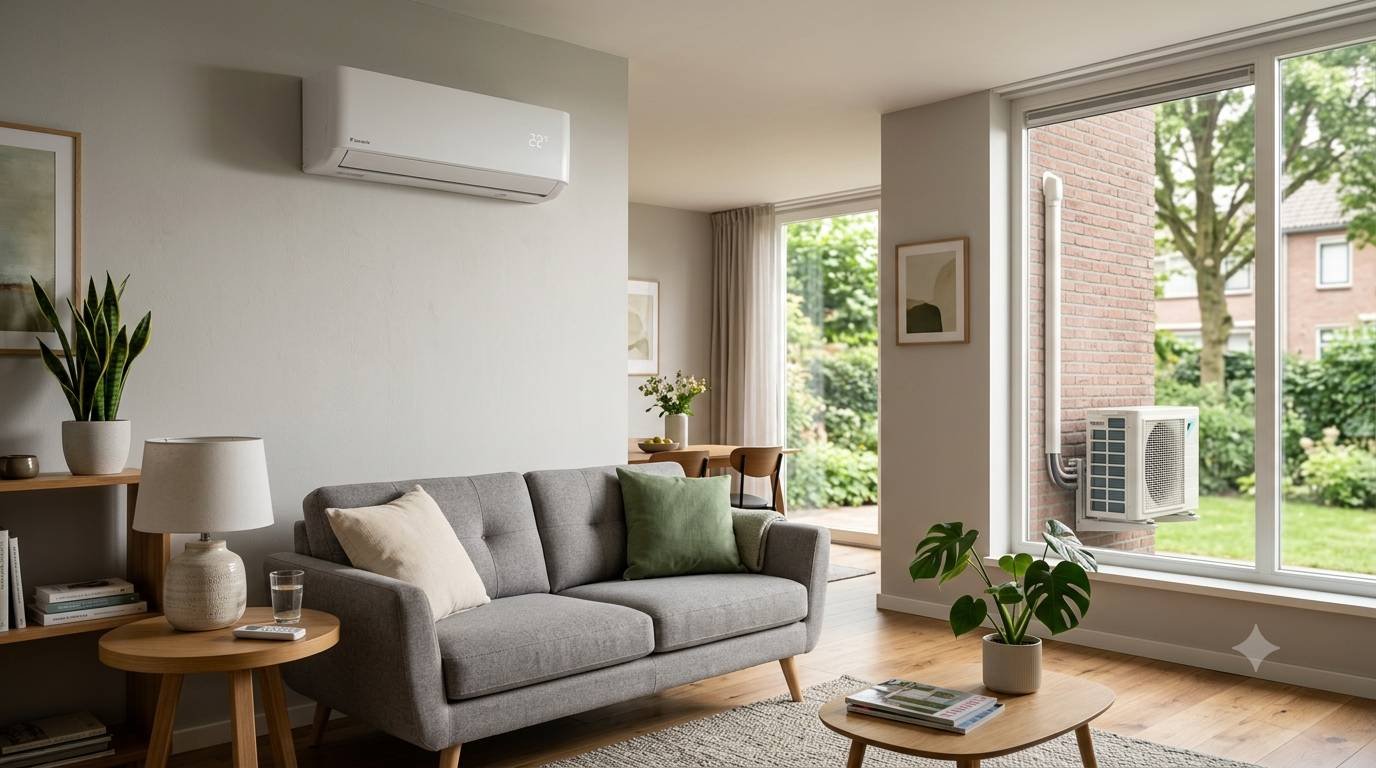

If you want more control over indoor comfort without installing or extending traditional ductwork, ductless mini-split systems can be a practical solution. These systems combine an outdoor compressor with one or more indoor air-handling units, allowing you to heat or cool specific areas of a home independently. Understanding the available ductless mini split options can help you determine whether this type of HVAC system fits your space, comfort needs, and budget.
Unlike central HVAC systems, mini-splits deliver conditioned air directly into individual rooms or zones. That makes them particularly useful for homes without existing ducts, room additions, converted garages, home offices, and spaces that tend to be warmer or cooler than the rest of the house.
How Do Ductless Mini-Split Systems Work?
A ductless mini-split typically consists of an outdoor unit connected to one or more indoor units through refrigerant lines and electrical connections. The indoor unit is mounted on a wall or ceiling and distributes conditioned air directly into the room.
Many mini-splits are heat pumps, meaning they can provide both cooling and heating. During cooling mode, the system removes heat from indoor air and releases it outside. In heating mode, the process reverses, allowing the system to extract heat from outdoor air and bring it indoors.
Because there are no ducts carrying conditioned air throughout the house, mini-splits can provide targeted comfort without requiring extensive duct installation.
What Are the Main Benefits of a Ductless Mini-Split?
One of the biggest advantages is flexibility. Instead of conditioning the entire home at the same temperature, you can create separate zones based on how individual spaces are used.
Other potential benefits include:
- Zone control: Individual rooms can have their own temperature settings.
- Flexible installation: Mini-splits work well where installing ductwork would be difficult or impractical.
- Heating and cooling: Heat-pump models can provide both functions from one system.
- Reduced duct-related energy losses: Since conditioned air does not travel through a duct network, the system avoids losses associated with ductwork.
- Quiet operation: Modern systems are designed to operate relatively quietly.
- Useful for additions: They can condition garages, offices, guest rooms, and additions without extending an existing central HVAC system.
ENERGY STAR notes that ductless systems are particularly suitable for older homes without ductwork, additions, outbuildings, and areas where extending ductwork presents challenges.
How Much Do Ductless Mini-Splits Cost?
There is no single price that applies to every installation. The total cost depends on the equipment selected, number of indoor units, electrical requirements, installation complexity, and the size and layout of the spaces being conditioned.
A single-zone system serving one room will generally involve a different investment than a multi-zone setup serving several areas. Installation can also become more involved if the outdoor unit needs a specialized location, electrical work is required, or refrigerant lines have to travel significant distances.
When comparing estimates, look beyond the equipment price. Ask whether the quote includes installation, electrical work, refrigerant-line installation, mounting materials, startup, testing, and warranty coverage. A lower initial price may not represent the best overall value if important installation services are excluded.
What Should You Consider Before Installation?
Choosing the right system involves more than deciding where you want an indoor unit mounted. Proper sizing is particularly important. ENERGY STAR recommends having HVAC professionals determine the appropriate equipment capacity for the space rather than selecting a unit based only on room size or a rough rule of thumb.
You should also consider airflow. A single indoor unit may not effectively condition several enclosed rooms, particularly when doors remain closed. Mini-splits are most effective when the system configuration matches the home’s layout and how each space is actually used.
Indoor and outdoor unit placement matters, too. The outdoor unit needs adequate airflow and reasonable access for maintenance, while indoor units should be positioned to distribute air effectively without creating uncomfortable drafts.
Single-Zone vs. Multi-Zone Systems
A single-zone mini-split connects one indoor unit to one outdoor unit. This configuration can make sense when you only need to condition one room, such as a home office, bedroom, workshop, or addition.
Multi-zone systems connect multiple indoor units to an outdoor unit. They can provide more comprehensive coverage while allowing different rooms to have individual temperature settings.
The right choice depends on your home’s layout and comfort goals. If you only have one problem area, installing a system throughout the house may be unnecessary. Conversely, multiple hot or cold rooms may benefit from a carefully planned multi-zone design.
Common Mistakes to Avoid
Mini-splits are flexible, but installation and system selection still require careful planning. Some common mistakes can reduce comfort or efficiency.
Avoid choosing equipment solely because it has the highest capacity or lowest purchase price. An improperly sized system may struggle to perform as intended, while an installation that overlooks airflow or placement can create uneven temperatures.
It is also a mistake to treat maintenance as optional. Filters should be cleaned when needed, and the system should receive appropriate professional attention to keep components operating properly. ENERGY STAR specifically recommends keeping heat-pump filters clean and following maintenance practices that support efficient operation.
Is a Ductless Mini-Split Right for Your Home?
A ductless mini-split can be a strong option when traditional ductwork is unavailable, difficult to install, or unnecessary for the space you want to condition. It can also complement an existing HVAC system by addressing rooms that consistently need additional heating or cooling.
Before making a decision, consider the size of the area, number of zones required, insulation, existing HVAC equipment, electrical capacity, desired heating and cooling performance, and long-term operating costs. Getting a professional load calculation and installation assessment can help prevent costly sizing and placement mistakes.
Conclusion
Ductless mini-split systems offer a flexible approach to home heating and cooling, particularly when traditional ductwork is impractical. Their ability to provide zone-based comfort, heating and cooling, and targeted conditioning makes them useful for everything from individual rooms to larger multi-zone applications.
The best system is not necessarily the biggest or cheapest. Proper sizing, thoughtful placement, quality installation, and regular maintenance all play important roles in long-term performance. By considering those factors before installation, homeowners can make a more informed decision about whether a ductless mini-split is the right fit.