
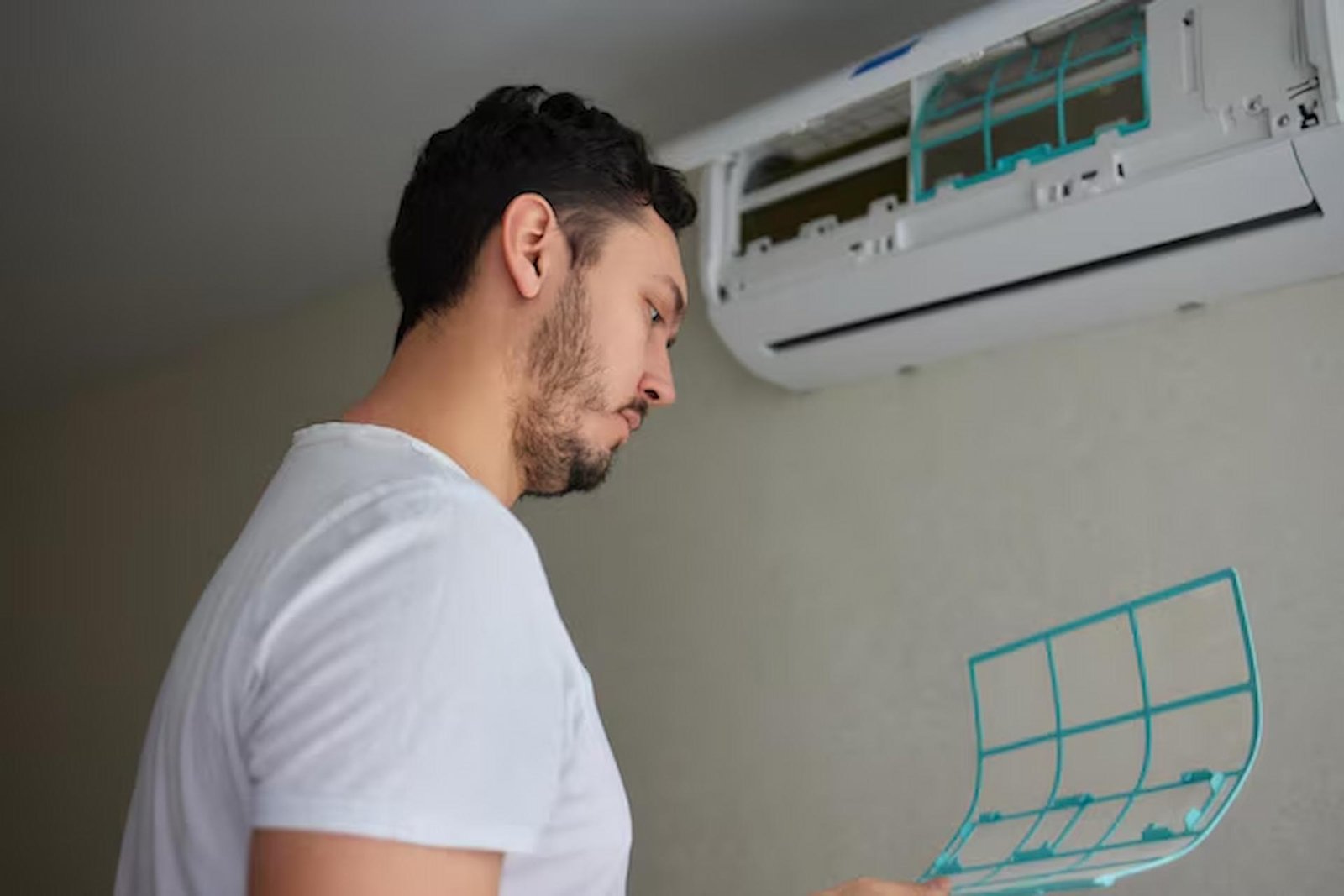

our air conditioner works hard every day — and like any hardworking system, it will eventually send you signals that something is wrong. The problem is that most homeowners don’t catch those signals until they’re sweating through a broken unit in the middle of summer. Knowing what to look for can save you time, money, and a lot of discomfort. If you’re already noticing something unusual with your system, reaching out for AC repair in Dublin, GA sooner rather than later is almost always the smarter move.
Your Home Isn’t Cooling Down the Way It Should
This is usually the first sign homeowners notice. If you set your thermostat to 72°F and your home still feels stuffy an hour later, that’s a clear red flag. Weak or inconsistent airflow could point to a failing compressor, a clogged air filter, or issues with your ductwork. If some rooms feel cool while others feel like a sauna, you might be dealing with a refrigerant problem or a blockage in the system. Either way, uneven cooling isn’t something that fixes itself — it tends to get worse.
Strange Noises Coming from the Unit
A well-functioning air conditioner should run quietly in the background. If you start hearing grinding, squealing, rattling, or banging, pay attention. Grinding often points to worn-out motor bearings. Squealing can mean a slipping belt or a component under pressure. Rattling might indicate loose parts inside the unit. None of these sounds are normal, and ignoring them typically leads to bigger, more expensive damage. Shut the system down and call a technician if you hear anything out of the ordinary.
Unusually High Energy Bills
If your electricity bill jumps significantly from one month to the next — and your usage habits haven’t changed — your AC could be the culprit. A system that’s struggling to cool your home efficiently has to run longer and work harder, which drives up energy consumption. This often happens when refrigerant levels are low, the coils are dirty, or the unit is simply aging past its useful lifespan. A repair or tune-up at the right time can bring your energy costs back down considerably.
You’re Noticing Moisture or Leaks Around the Unit
Some condensation around your AC is normal, but active leaking is not. If you see water pooling around the indoor unit, it’s usually a blocked or broken condensate drain line. More concerning is refrigerant leakage, which can look like a thin oily residue near the unit. Refrigerant is a health and environmental hazard, and a system low on refrigerant won’t cool properly regardless of how long it runs. If you spot anything leaking, don’t delay — this type of issue needs professional attention right away.
Bad Odors When the System Runs
Your AC should push clean, neutral-smelling air through your home. If you notice a musty smell, it usually means mold or mildew has built up inside the unit or ductwork. A burning smell could indicate an electrical problem or overheating components — which is a fire risk worth taking seriously. A smell like rotten eggs may suggest a gas issue if you have a combination HVAC system. Any persistent odor coming through your vents is a sign worth investigating before it becomes a safety issue.
The System Is Frequently Cycling On and Off
Short cycling — where the AC turns on, runs briefly, and shuts off before completing a full cooling cycle — is hard on the system and hard on your comfort. It often points to an oversized unit, a refrigerant leak, or an electrical issue. Beyond the comfort problem, frequent cycling puts extra wear on the compressor, which is one of the most expensive components to replace. If your system seems to be running in short, choppy bursts rather than steady cycles, that pattern warrants a closer look from a professional.
Conclusion
Most AC problems don’t appear out of nowhere — they build slowly through warning signs that are easy to overlook when life gets busy. Catching them early gives you the best chance of a simple, affordable fix rather than a full system replacement. If any of the issues above sound familiar, scheduling timely AC repair in Dublin, GA is the most practical step you can take to protect your home’s comfort and your equipment investment. The longer a problem sits, the more it typically costs to resolve.